 HVAC Installation & Repair Services Nationwide
When a furnace stops on a cold morning in Salt Lake City, the house cools fast because the valley air stays cold and still, and a home that was warm at bedtime can feel cold before breakfast. The first thing to check is whether the system is calling for heat at all, because a thermostat, a tripped breaker, or a blocked filter can stop a working furnace just as completely as a failed part.
Salt Lake City sits against the Wasatch Range, and winter inversions trap cold air in the valley for days at a time, so heating systems here run long steady cycles rather than short bursts. Older brick homes in the Avenues and Sugar House often still carry radiators or early ductwork that heats some rooms well and leaves others cold, while newer homes on the west side usually rely on forced-air furnaces and central cooling that must also handle hot dry summers.
What Goes Wrong Most in Salt Lake City
- A furnace that short cycles during a Salt Lake City inversion, when the unit starts and stops while the house never reaches the set temperature.
- Valley dust and dry air clogging filters faster in Salt Lake City homes, which starves airflow and can shut a furnace down on its safety switch.
- An air conditioner in Salt Lake City that cools the shaded side of the house and leaves the sun-facing rooms warm all afternoon.
How a Visit in Salt Lake City Usually Works
- Check the thermostat, the filter, and the breaker in Salt Lake City before anything is opened, because inversion-season dust makes a blocked filter a common first cause.
- Test the ignition, flame sensor, and blower in that order, so a Salt Lake City furnace fault is traced to the part that actually failed.
- Measure airflow at the vents in the coldest and warmest rooms, because the Avenues and Sugar House houses often need balancing rather than a new unit.
- Run the system through a full heating or cooling cycle and confirm the temperature holds, then explain what failed and what to watch before the next inversion.
Services Available in Salt Lake City
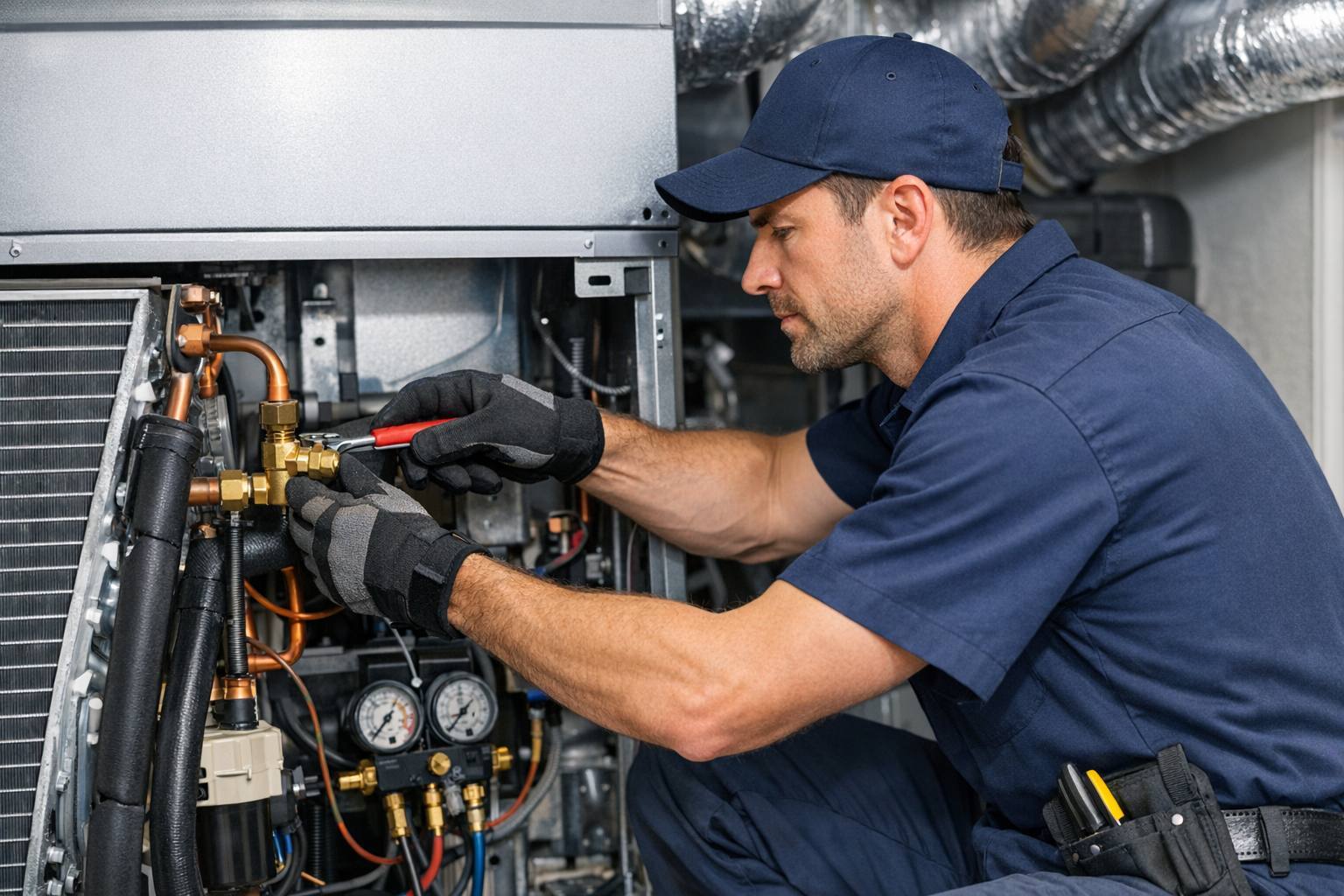
HVAC Repair
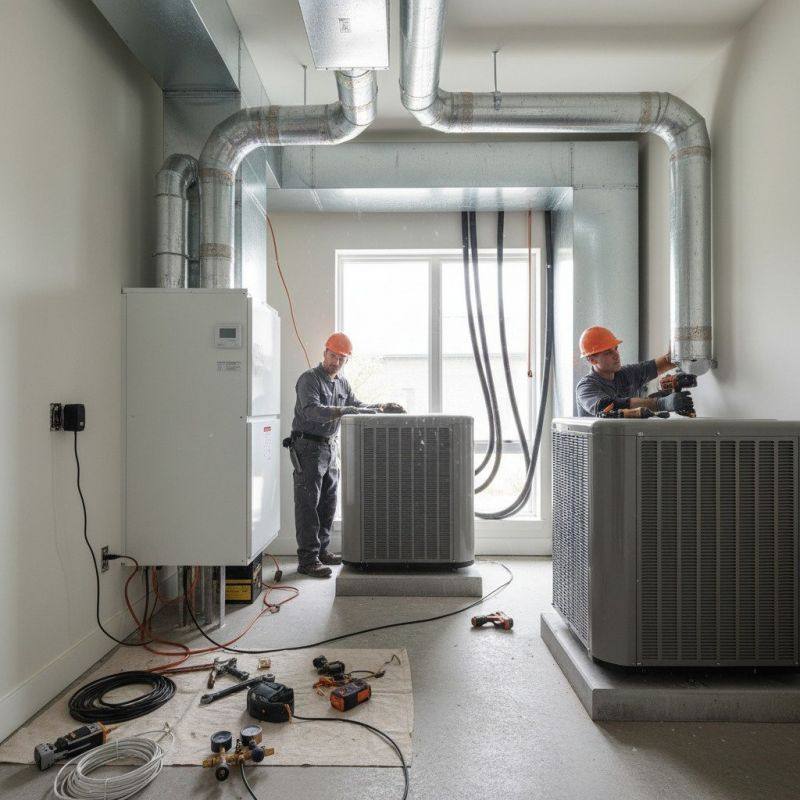
HVAC Installation
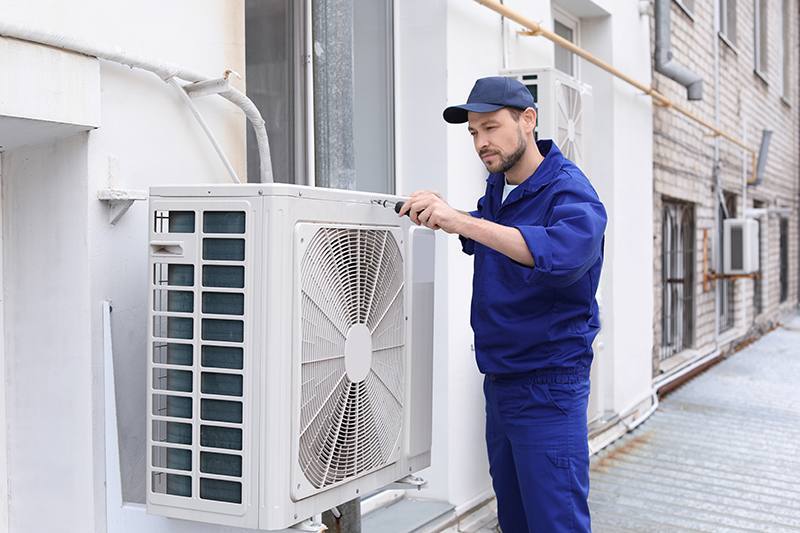
Air Conditioner Repair
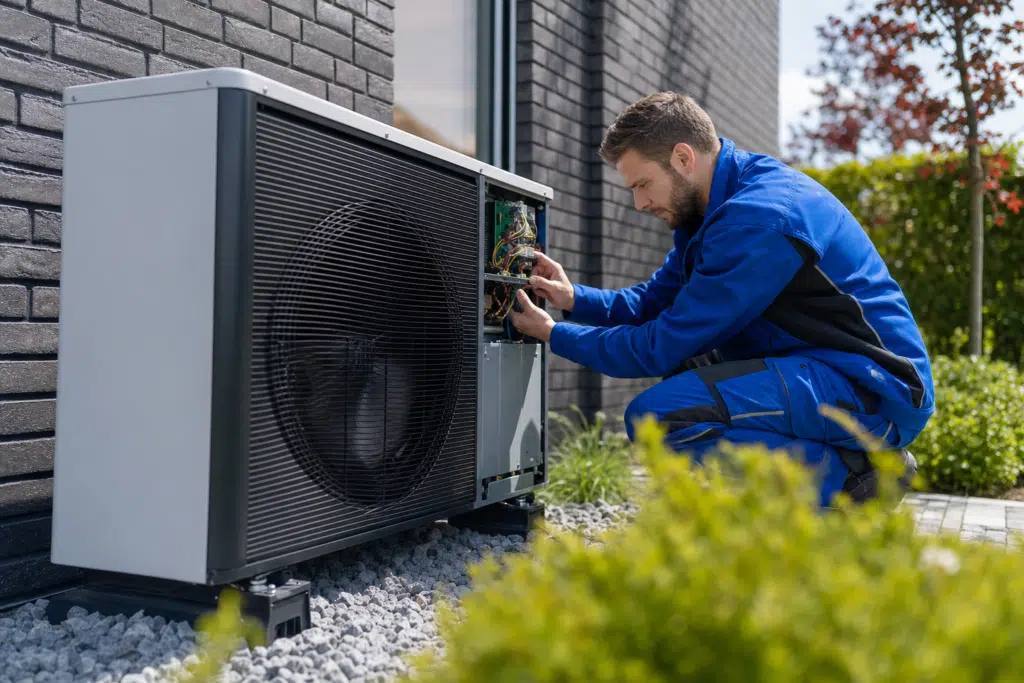
Heat Pump Repair
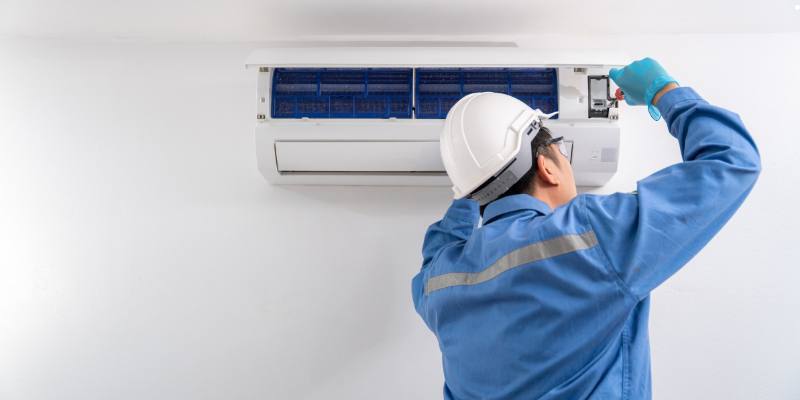
HVAC Maintenance
Salt Lake City HVAC Questions
Why does my Salt Lake City furnace run so long in winter?
Because valley inversions keep outside air cold for days, a Salt Lake City furnace runs longer steady cycles than a system in a milder climate, and long running alone does not mean it is broken, though weak airflow or a dirty filter will make it run longer still.
Does dry air matter for heating in Salt Lake City?
Dry high-desert air can make a heated Salt Lake City home feel dry and stuffy, so humidity is sometimes discussed alongside temperature, but a humidifier is only added when the house and the system both suit it.
When should a Salt Lake City air conditioner be checked?
A Salt Lake City air conditioner should be checked before the hot season, because a unit that sat idle through winter can have a blocked outdoor coil or a weak capacitor that only shows up on the first hot afternoon.
Back to HVAC services in Utah from Salt Lake City | Back to nationwide homepage